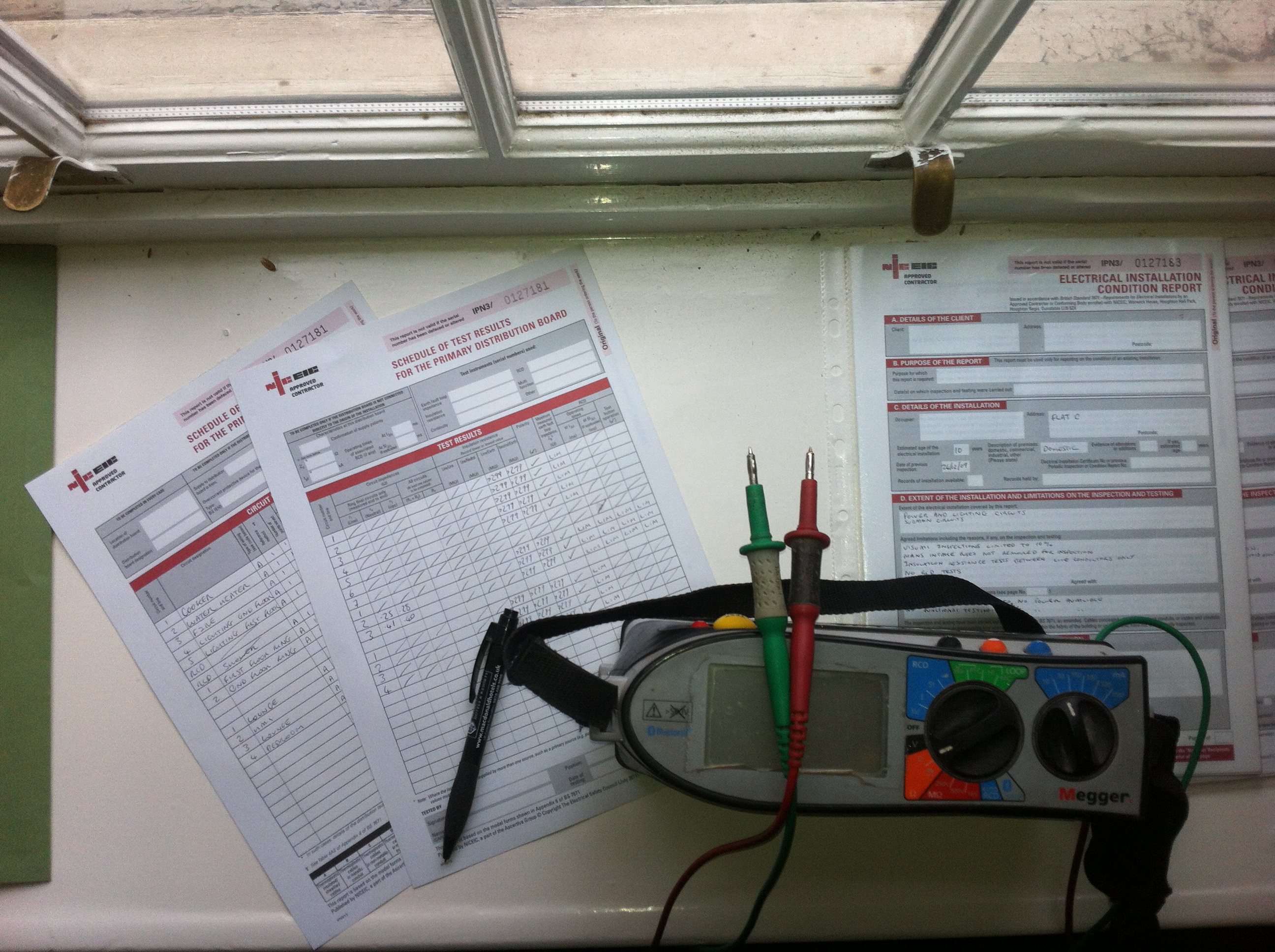
Electrical Installation Condition Reports Explained
Wiring concealed within our walls and floors, electrical connections in sockets, switches and consumer units, throughout electrical installations, require periodically inspecting and testing, as to prevent danger arising from damage, wear and tear.
Landlords, homeowners and managers are responsible for protecting people, animals and property. Managers and landlords have a legal duty to ensure electrical systems are inspected and tested.
Faulty and deteriorating wiring is one of the main causes for electrical fires and electric shock. The British Standards for electrical installations (BS7671:2026) requires that electrical installations are periodically inspected and tested by the means of undertaking an ELECTRICAL INSTALLTION CONDITION REPORT, abbreviated to EICR or EIC report. This was formerly known as PIR, periodic inspection report.
The main aims of an electrical installation condition report are:
1) Record the results of the inspection and testing to make sure the electrical installation is safe to be used until the next inspection (following any work needed to make it safe)
2) Find any damage and wear and tear that might affect safety, and report it
3) Find any parts of the electrical installation that do not meet the IET Wiring Regulations
4) Help find anything that may cause electric shocks and high temperatures
5) Provide an important record of the installation at the time of the inspection, and for inspection testing in the future.
The Law and Frequency of Inspections
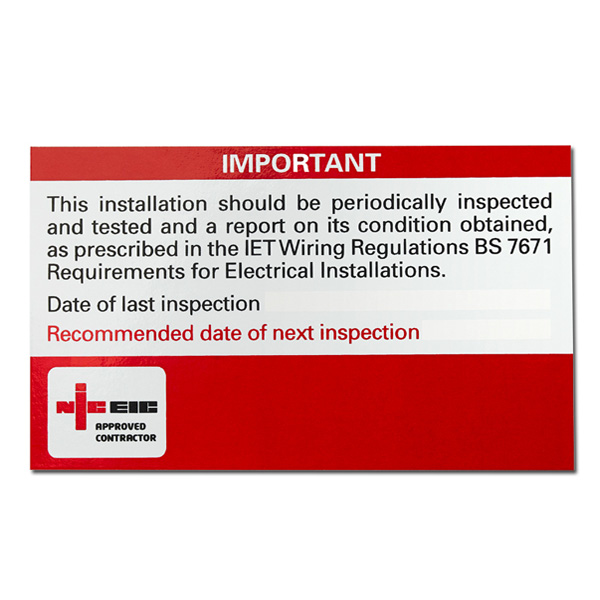
The Electricity at Work Regulations (1989) and The Electrical Safety Standards in the Private Rented Sector (England) Regulations 2020 are both statutory laws. In order to ensure compliance, every installation requires inspecting and testing in accordance with the British Standards BS 7671:2018 Requirements for Electrical Installations. The frequency and type of inspection are shown in the table below:
| Type of Installation | User Checks | Maximum Time Between EIC Reports |
|---|---|---|
| Homeowner | 1 year | 10 Years/Change of Occupancy |
| Domestic Rental | 1 year | 5 Years/Change of Occupancy |
| Commercial | 1 year | 5 Years/Change of Occupancy |
User Checklist
In order to ensure the electrical safety of your property and tenants, it is important that you make basic visual checks at least once a year and on change of tenancy. Visual electrical inspections are required as a supplementary measure, carried out in between full Electrical Installation Condition Reports (EICR). An EICR must be carried out by a competent, registered electrician with experience of carrying out inspecting and testing.
| Checks to be undertaken | |
|---|---|
| 1 |
There are no visual signs of burning, overheating or damage and no burning smell at the electrical intake position (usually where the consumer unit and electricity meter are located). |
| 2 | The electrical intake position and consumer unit are easily accessible and free from storage materials. |
| 3 | There are no blanks missing from the consumer unit. |
| 4 | The consumer unit is correctly labelled for identification of circuits. |
| 5 | There are no noticeable signs of electrical burning near the consumer unit/electricity meter (by smell or visual evidence). |
| 6 | Operated the RCD/RCBO test button(s) during the course of this inspection and confirm they are operating properly. |
| 7 | All fittings [light fittings/sockets/switches/outlets/showers/storage heaters etc.] on the premises are tightly secured in their back box, with all screws present. |
| 8 | All sockets on the premises are working (i.e. power a simple appliance such as a lamp). |
| 9 | No light fittings/sockets/switches/outlets/showers/storage heaters etc. on the premises show signs of burning or damage. |
| 10 | There are no signs of modification/alteration to the electrical installation from the previous tenant. |
| 11 | All portable electrical appliances supplied by the landlord have been visually inspected and tested in line with the risk assessment carried out by the tester. |
| 12 | Tenant made aware of the danger posed by overloading sockets and understands that it is their responsibility to use appliances safely. |
EICR Frequently Asked Questions
What is an EICR?
An EICR (Electrical Installation Condition Report) is a formal document issued following a thorough assessment of a property's electrical installation. It identifies any damage, deterioration, defects, or potential dangers to ensure the property is electrically safe.
How often do I need an EICR?
For rented domestic properties, an EICR is legally required at least every 5 years, or at the start of a new tenancy. For owner-occupied homes, it is highly recommended every 10 years, unless the property has a swimming pool, which requires testing every year.
Is an EICR a legal requirement?
Yes, for landlords in the UK, having a valid EICR is a legal requirement. For homeowners, it is not legally mandated but is often required by mortgage lenders, insurance companies, or during the process of buying or selling a house.
Who needs an EICR?
In short, anyone who owns, rents, or manages a property should have an EICR, but the legal urgency varies depending on your situation.
Landlords (Private & Social): In the UK, private landlords are legally required to have a valid EICR for their rental properties at least every 5 years (or at the start of any new tenancy). Failure to comply can result in severe fines up to £30,000.
Homebuyers and Sellers: If you are buying a house, mortgage lenders and surveyors will often insist on a recent EICR to prove the property is safe before releasing funds. If you are selling, having one ready gives buyers peace of mind.
Homeowners: While not a strict legal requirement for owner-occupied homes, it is highly recommended to get an EICR every 10 years to protect your family from electrical fires and shocks. It also ensures your home insurance remains valid.
Business Owners & Commercial Property Managers: Under the Health and Safety at Work Act, business owners must ensure their workplace electrical systems are safe. Most commercial buildings require an EICR every 5 years to maintain legal compliance and insurance coverage.
What happens if my EICR fails?
If an EICR comes back as 'Unsatisfactory', it means faults were found (coded as C1, C2, or FI). Landlords must have the necessary remedial work carried out by a qualified electrician within 28 days of the inspection to achieve compliance.
How much does an EICR cost?
The cost of an EICR typically varies based on the size of the property and the number of electrical circuits. On average, prices range from £125 to £155 for standard residential properties.
How to book an EICR in Manchester?
To book an EICR in Manchester, please use the form below or email ask@manchesterelectric.co.uk, these are our preferred methods of contact for a response within the same working day. Please copy in the vendor’s estate agent if the inspection is for a house sale. Alternatively you can call 0161 850 1610.
To help set up your booking, could you let us know what type of property it is (e.g., apartment, terraced house, detached house)? How many bedrooms does the property have? Any urgent deadlines for completing the report?
We look forward to hearing from you!
Fill in the details below, and our team will verify availability for your Electrical Installation Condition Report.